
How to Choose Your First Tarot Deck: A Beginner’s Guide
Choosing your first Tarot deck is an exciting milestone on your spiritual journey. Tarot decks serve as portals to intuition, self-reflection, and guidance, but with hundreds of options available, the process can feel overwhelming. This guide walks you through the essentials, helping you select a deck that resonates personally and supports your growth as a reader.
Understand Tarot Deck Basics
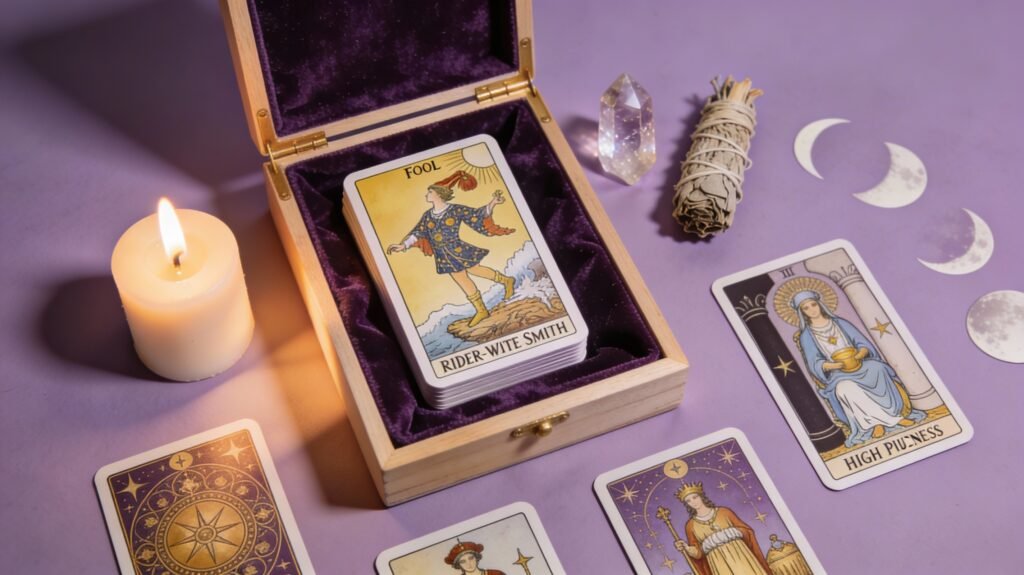
Tarot decks typically contain 78 cards divided into the Major Arcana (22 archetype-focused cards representing life’s big lessons) and the Minor Arcana (56 cards covering everyday experiences across four suits: Cups for emotions, Pentacles for material matters, Swords for intellect, and Wands for creativity). Beginner decks often use the Rider-Waite-Smith (RWS) structure, which includes intuitive imagery on every card, making it easier to learn meanings without heavy memorization.
Stick to traditional 78-card decks for your first purchase rather than oracles or themed variations, as they provide a complete system rooted in centuries of practice. Reputable publishers like U.S. Games Systems or Hay House ensure quality printing and durable card stock.
Follow Your Intuition in Selection
The best deck chooses you—trust your gut reaction to artwork and energy. Visit a local metaphysical shop if possible, or browse online stores like Etsy or dedicated Tarot sites. Hold the deck (or imagine holding it) and notice if the imagery sparks curiosity or discomfort. Vibrant, detailed art might suit visual learners, while minimalist black-and-white designs appeal to those preferring subtle symbolism.
Avoid buying based solely on popularity; a deck that “everyone recommends” won’t serve you if it doesn’t connect emotionally. Many beginners report their ideal first deck featuring soft colors, relatable figures, and nature elements that mirror their own life experiences.
Prioritize Artwork and Symbolism
Examine the art style closely, as visuals convey 90% of Tarot’s language. The Rider-Waite-Smith deck (often called “the beginner’s Bible”) features Pamela Colman Smith’s iconic illustrations, with clear scenes like the Fool stepping off a cliff or the Lovers in a garden—perfect for storytelling and intuition-building. Modern alternatives like The Wild Unknown (animal-themed, minimalist) or Modern Witch Tarot (diverse, contemporary figures) refresh these symbols for today’s readers.
Look for decks with consistent symbolism across suits and clear Major Arcana progression. Test readability: Can you interpret the Three of Cups as celebration from the image alone? Quality matters too—laminated edges prevent wear, and a sturdy box protects your investment.
Size, Feel, and Practical Features
Deck size impacts shuffling and layout ease. Standard “poker size” (2.75 x 4.75 inches) works for most hands, but oversized decks dazzle for display yet frustrate daily use. Beginners often prefer smaller “pocket” sizes for portability during travel or quick readings.
Check card thickness and coating: Glossy finishes shuffle smoothly but attract fingerprints; matte feels premium and grips better. A guidebook is essential for novices—ensure it’s beginner-friendly with upright/reversed meanings, spreads, and sample readings. Companion apps or websites add value for digital learners.
Budget and Where to Buy
Entry-level decks range from $15–$30, offering excellent quality without breaking the bank. Avoid ultra-cheap imports prone to fading ink; invest in mid-range options from trusted artists. Etsy supports independent creators for unique decks, while Amazon provides fast shipping and reviews. Local stores allow hands-on selection and build community connections.
Secondhand decks from thrift shops or eBay carry unique energy but cleanse them thoroughly (using smoke, moonlight, or selenite) before use. Free digital decks via apps like Labyrinthos serve as low-risk trials before committing to physical cards.
Common Beginner Mistakes to Avoid
Don’t rush into “advanced” decks like Thoth or Marseille, which demand prior knowledge of esoteric systems. Skip decks overly tied to specific pop culture (e.g., Disney Tarot) unless you’re deeply passionate, as they limit versatility. Ignore pressure to buy multiples—master one deck fully before expanding your collection.
Resist over-relying on guidebooks long-term; use them as training wheels while developing personal interpretations. Finally, don’t fear “reversed” meanings—they add depth, not confusion, once you practice.
Caring for Your New Deck
Once home, bond with your deck through daily draws: Pull one card each morning, journal its message, and note synchronicities. Store it wrapped in silk or a dedicated pouch, away from electronics. Regular cleansing maintains clear energy—pass through sage smoke, place under full moonlight, or tap with a clear quartz point.
Build a ritual: Light a candle, play soft music, and ask permission before readings. Over time, your deck becomes an extension of your intuition.
Top Recommendations for First Decks
- Rider-Waite-Smith (Smith-Rider-Waite): Timeless standard, widely taught.
- The Wild Unknown: Mystical, nature-inspired for empaths.
- Modern Witch Tarot: Inclusive, vibrant for younger readers.
- Light Seer’s Tarot: Contemporary, emotionally resonant art.
Celtic Cross Tarot: Beginner-friendly with Celtic flair.